
Managing an eCommerce site involves planning and testing, regularly defining what is working and what isn’t, and then adjusting accordingly. Understanding and implementing the data received from web analytics is the tool in your toolbelt that will do just that, but with ever-increasing technology, the volume of available information can be overwhelming.
We’ve listed the eight metrics we consider top of the heap in matters of relevance and importance in making those data-driven decisions–the ones that you may not be tracking.
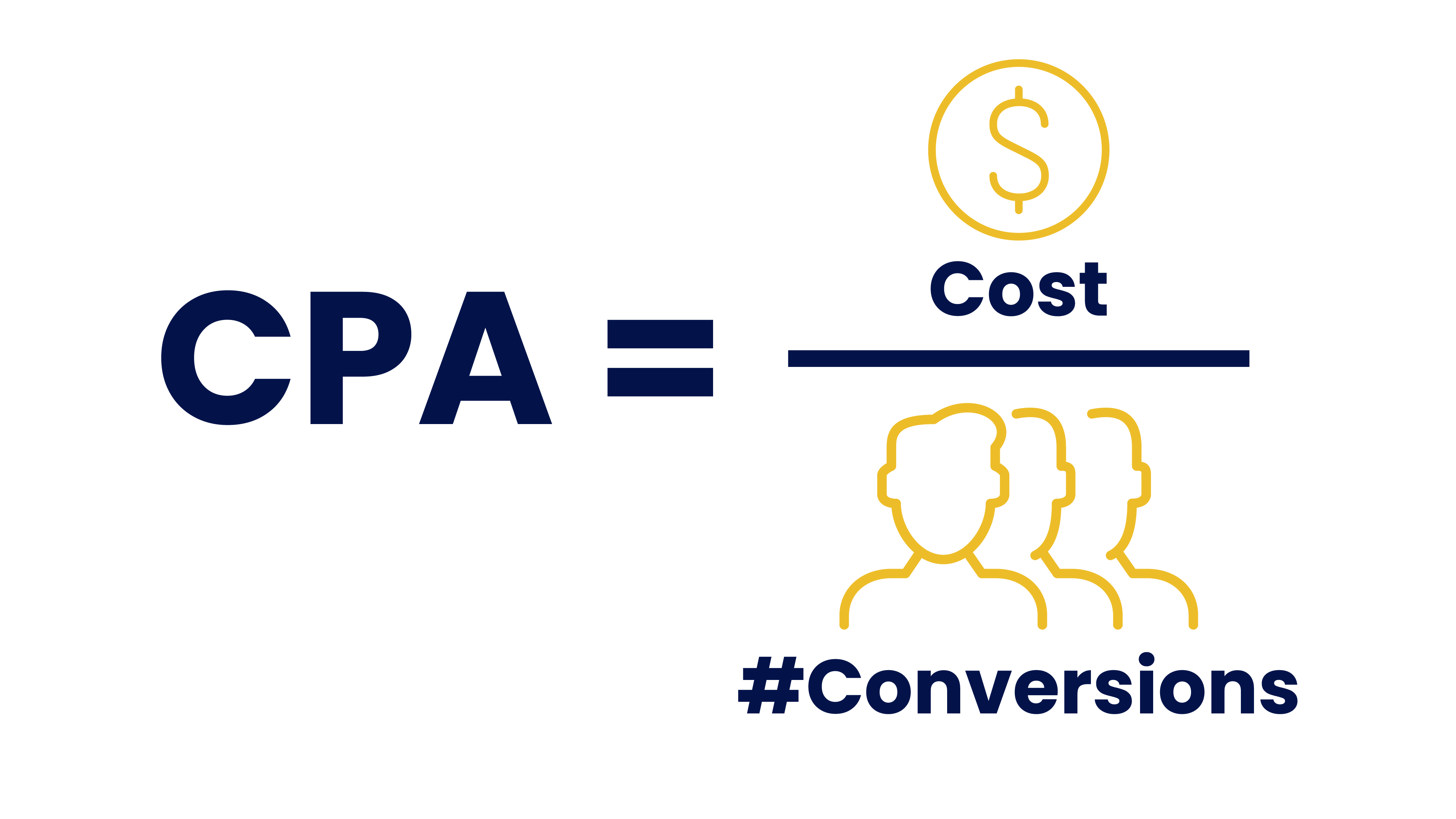
How much is it costing you to garner that one new customer? These metrics will not only tell you your cost per acquisition but also which marketing campaigns are more profitable in the long run.
The information you will need to compile is the amount of all your marketing costs for a given time period or a specific marketing strategy, and then divide that number by the number of new customers it amassed.
As an example: you spent $2,000 on a specific campaign that produced ten new customers. Your CPA was $200. Multiplying this by your gross margin will tell you your actual profits. And now, deciding which campaigns to keep, which to tweak, and which to throw in the towel on just got a whole lot easier.
As you’ve probably determined from your cost per acquisition, acquiring new customers, though a necessary part of business, can be expensive. Converting these new clients into loyal, lifetime fans may be your bigger reward. In fact, up to 48% of all eCommerce transactions come from repeat customers. In addition, it was determined that five to seven shoppers equaled the revenue of one repeat purchaser. This defines the importance of lifetime value–how much a customer spends with you in their lifetime.
The basic formula is: (Average order value) x (number of repeat sales) x (average retention time).
Take a look at KISSmetrics LTV infographic on how they calculate LTV for Starbucks.
Knowing the importance of return clientele should make the reason for this metric clear. Too many lapsed or non-returning customers can lead to a rapid decline. This one allows you to reach out to those customers that are no longer showing any online activity and offer them something special: a price reduction, a personalized note, or a notice that something you feel they might like has just come in stock. Great customer service with attention to detail that has a personal touch is the cornerstone to lifetime customers.
There seems to be a common theme among these metrics, no? Yes. Customer loyalty to you and your brand. Determine which customers are coming back for more and what products or services they are coming back for. In this way, you can tweak both products or services, depending what is hindering repeat customers. On the other hand, if you have a great number of MOCs–keep up the good work.
This is an essential metric in determining if your market campaign is successful, and every campaign should have its own promo code. A good metric should tell how many new customers an ad campaign brought in as well as how many of those became repeat customers.
This metric is determined by the time between a customer’s order. If you have a recurring monthly shipment to the same customer, that metric is easy to determine and a great business model. If you see that a customer has not re-ordered, dig deeper to determine the cause or make a suggestion. This involves getting to know your customers and engaging with them wherever they live–be it via Facebook or email. Send them a letter of thank you, let them know their favorite fragrance just went on sale, and offer them a 10 percent “we’d love to see you again!” discount. Getting a loyal customer for life is the secret to business longevity. And not only do you get one devoted supporter, but their friends, family, and social network outreach as well.
As you might know by now, analyzing data is crucial to plan an effective business strategy. Our analytics experts can help you understand how your business is performing, what it’s lacking, and how to fix it. Contact our business intelligence experts to get the most out of your data!
Learn more about our NetSuite integrations and our services for everything NetSuite eCommerce:
For mid-market B2B brands running NetSuite, two platforms dominate the storefront decision: SuiteCommerce Advanced and… Read More
SuiteCommerce Advanced development is one of the more specialized skills in the eCommerce agency market.… Read More
One of the most consequential SEO decisions for eCommerce merchants is how to structure product… Read More
BigCommerce has become a leading choice for B2B brands building online storefronts. Its B2B Edition,… Read More
Based on an analysis of 7 million websites, SiteLock reported that websites experience an average… Read More
BigCommerce B2B Edition is BigCommerce's dedicated solution for wholesale and distribution businesses. It bundles a… Read More
